

Switching Away from Apple Watch: A Downgrade and an Upgrade at the Same Time
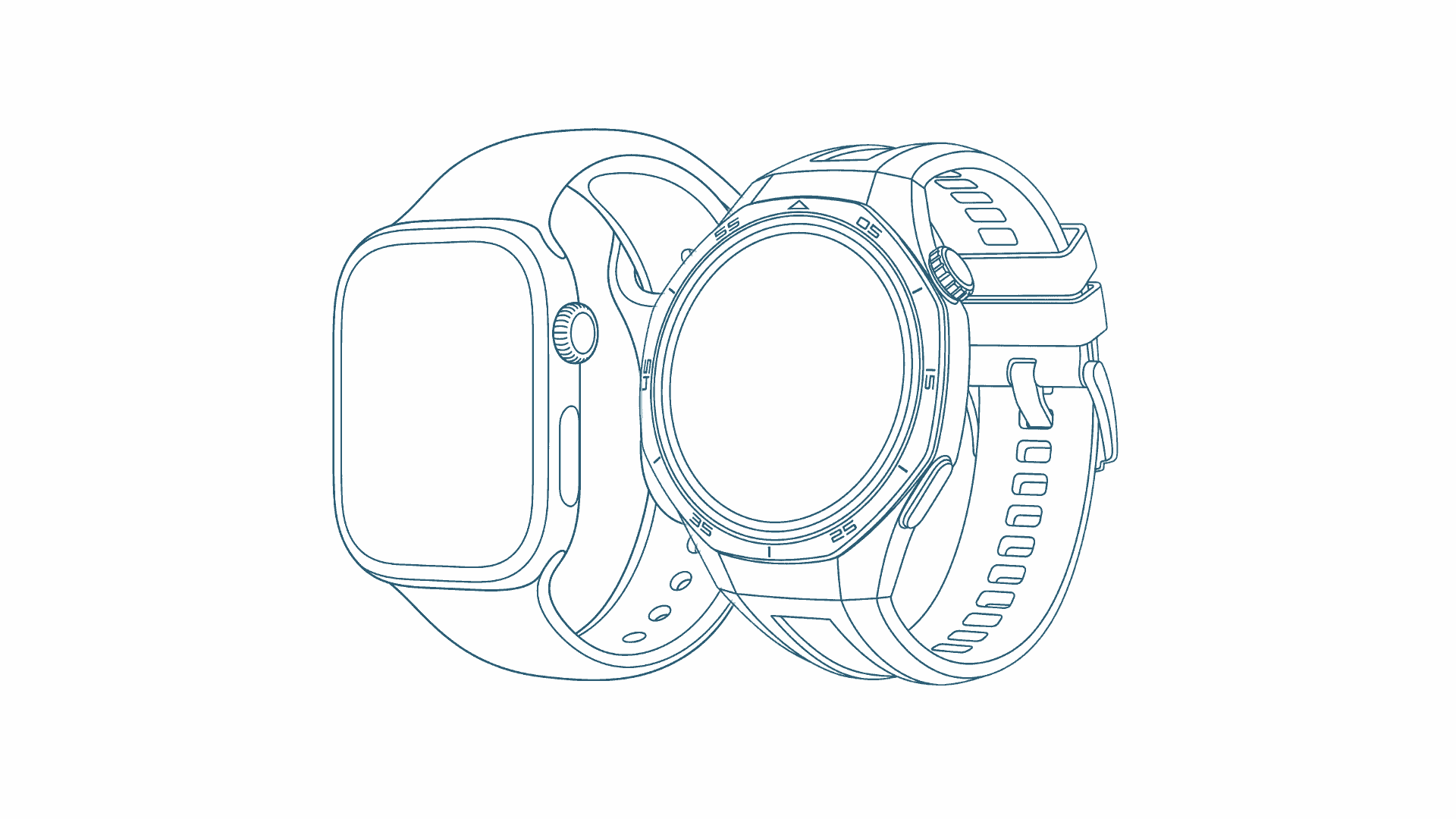
As an iPhone user, it is quite natural to choose Apple-branded devices to fulfil everyday needs. My first Apple Watch was a Series 4, followed by a Series 6. After a few years, I finally moved to the Series 10. This time, for myself at least, I am not looking for any further upgrade come September 2026, to whichever series arrives next.
Twenty years ago, I remember buying ringtones for my mobile phone; whereas now, my current phone is silent most of the time, with certain exceptions for important calls.
I have been a happy user of the Apple Watch for years. I do not have anything against it, apart from one thing. The device itself has become superior due to its medically graded sensors. We always hear stories of how the Apple Watch saved someone’s life by early detection of conditions that could lead to life-threatening situations.
Now that I am in my mid-forties, I look at that aspect much closer. For me, health features have become a major selling point. However, other aspects have slowly started to become annoying.
All measurements are done in the background and nicely synchronised with my device. The communication features, however, have become more of a nuisance, especially during stressful days at work. The constant buzzing has become a distraction rather than a useful feature.
Over recent months, I tried to break ties with my watch-screen addiction. It came to the point where I really wanted something that felt less like a phone on my wrist and more like an ordinary watch—but without losing those vital measuring capabilities.
So, I looked for an alternative.
Before I moved to the Apple Watch, I had been using Xiaomi Mi Bands (currently branded as Xiaomi Smart Bands).
Starting with the first generation, which did not even have a screen but just three LED dots, I went through various models. I still have the Generations 6, 7, and 8 at home, and my daughter will shortly be using the latest 10th Generation.
I used the Mi Band when I was still a heavy Android user. Even when I moved into the Apple ecosystem, I still managed to sync my data from the bands wherever I needed using dedicated apps.
My first Apple Watch was a gift and a significant upgrade from the Mi Band at the time, so I stuck with the ecosystem right up until the Series 10.
I skipped the Series 11, and this year I started rethinking an alternative. Fortunately, there is a huge number of choices on the market.
I want a watch that looks good and measures what is needed accurately, but lasts a reasonable length of time before I “need” to replace it.
With the Apple Watch Series 6, I held onto it until the Series 10 arrived—not because everything was perfect, but rather the opposite.
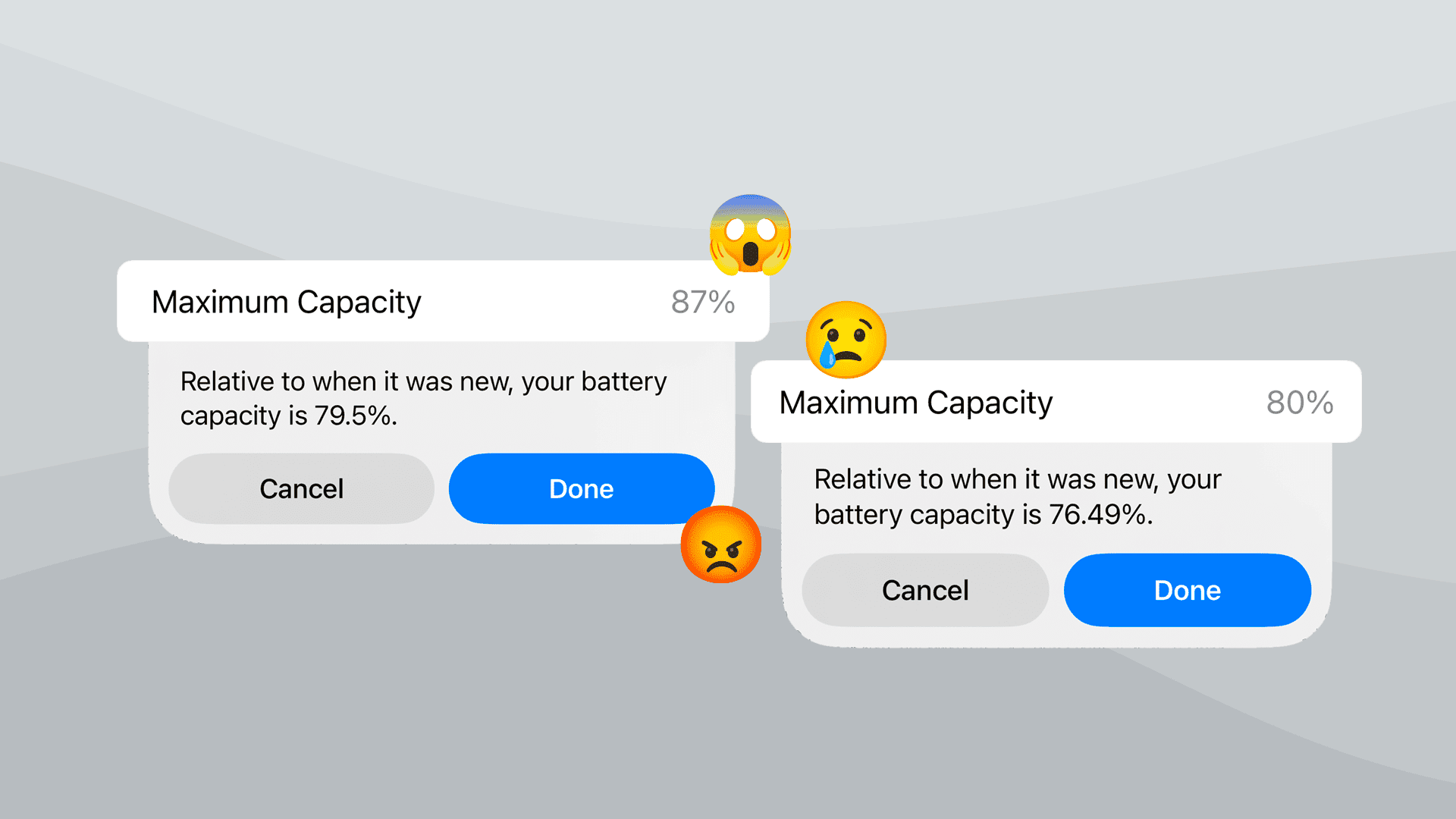
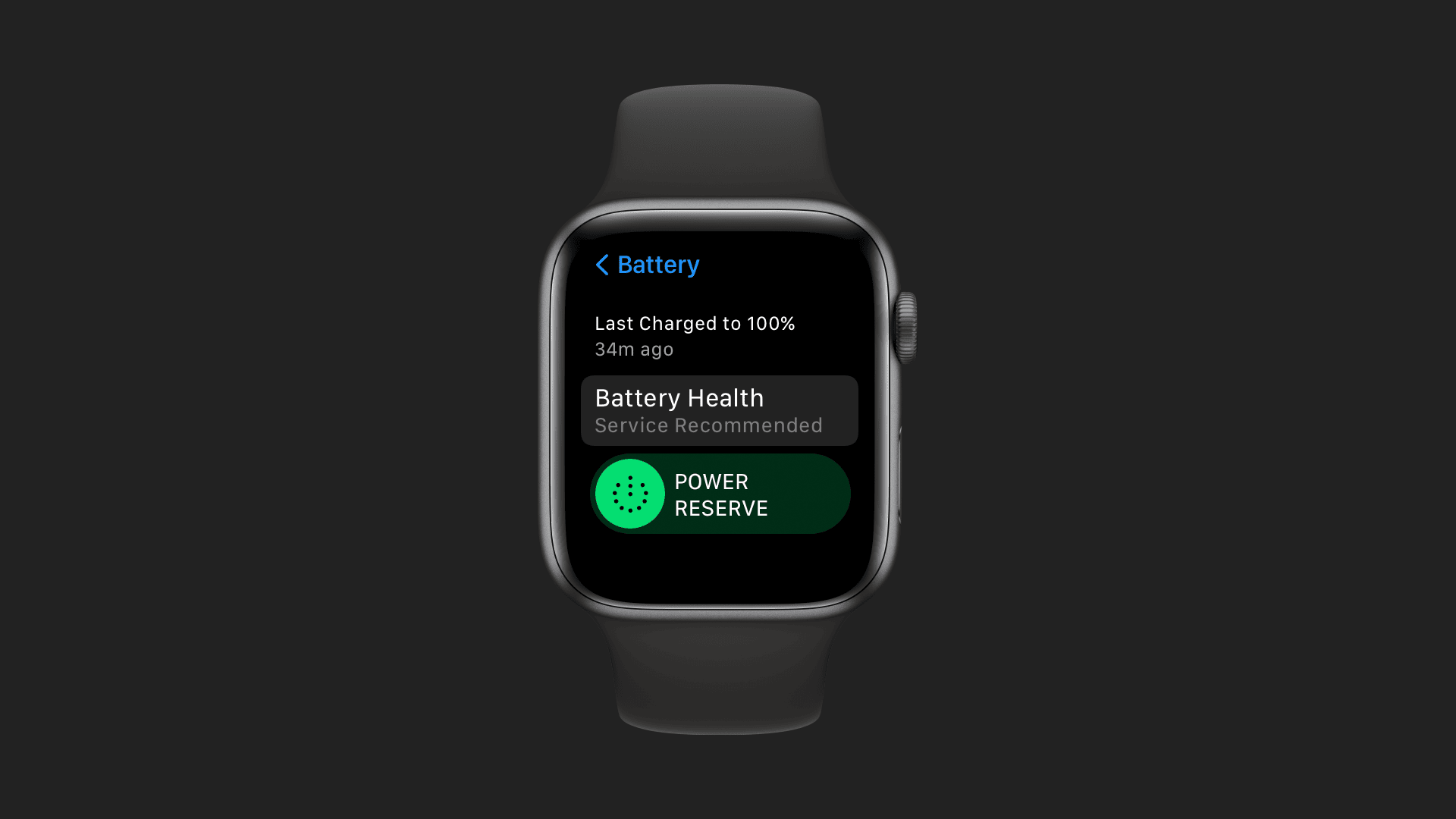
My Series 6 eventually failed, but Apple didn’t fail me. When my battery degraded, I received a replacement, even though I no longer had a warranty or AppleCare. Here, the consumer rights “SAD FART” rule probably helped, even though I didn’t know as much about it then as I do now.
The main issue with the Apple Watch was the need to develop the habit of charging it every single day.
I have a nightstand where I place it before I go to bed. This allows me to maintain a full day of usage.
Here, however, I lost the ability to track my sleep. Despite the watch having that option, I would need to remember to charge it early in the morning and not forget to take it off the charger before leaving the house.
This became more of an annoyance than a useful feature, so I simply gave up on sleep tracking altogether.
The Xiaomi Mi (Smart) Bands had coddled me with their long-lasting battery life, which was counted in days rather than hours.
This is why I stopped looking into getting the next Apple Watch—at least until Apple fixes the battery in a meaningful way, extending its life to at least a few days.
I do not believe that this will happen anytime soon. This is why I decided to look elsewhere, especially since the competition on the market has managed to get this sorted!
Withings ScanWatch 2
A hybrid smartwatch like the Withings ScanWatch 2 caught my attention (or perhaps a social media ad did).
It features physical, mechanical hands and a real watch face. Tucked inside is a tiny, greyscale OLED circle for notifications and health data. It looks like a premium traditional watch and is much more discreet.
Additionally, it boasts a staggering 30-day battery life. You could go on a month-long holiday without ever packing a charger.
Both Withings and Apple offer very accurate, medically graded sensors. The main pain point of the Apple Watch—battery life—is well rectified here.
My primary goal was to reduce my screen interaction with the watch and concentrate on long-term health monitoring.
Additionally, I want this device to last for years without becoming outdated and unreliable.
The Apple Watch is simply a tiny computer on your wrist that requires a lot of power to work. Because of that, and the pattern of daily charging, the battery degrades within two to three years. In contrast, the Withings will likely remain in use for four to seven years, if not longer.
Battery life and longevity are huge factors for me, whereas the price tag is less of an issue.
Devices like the Apple Watch lose value over time like everything else, though you can still recoup approximately 40–50% of the cost after a year.
If I were to change devices, I would like to at least sell one to buy the other without adding any extra cash, or just a bare minimum.
The problem with smartwatches, like phones, is the software. New software becomes increasingly demanding on old hardware, which naturally drives people to look for an upgrade.
Apart from the physical battery longevity, I looked at how long a device would be supported. I wanted to know if it would receive updates not just to its mobile app, but to the firmware itself. Maintaining longevity by having the firmware updated for as long as possible has become a must-have requirement for me, right behind battery life.
Because of the premium pricing on some models, I kept looking further for alternative devices that look good, work for a long time, and will be supported for years. I know this can be difficult to find, as that exact business model doesn’t always benefit companies that rely on profit from selling new hardware every year.
Garmin Instinct Crossover
Garmin was another hybrid watch that I analysed as a potential contender. Its price range was acceptable. Selling my Apple Watch would mean I wouldn’t have to spend much out of pocket to put this device on my wrist. However, because I couldn’t see the device in person, I worried from the pictures that it would look too bulky.
There was also one health feature missing from this device that I really wanted: an ECG. While perhaps not a total dealbreaker for everyone, it is a feature I prefer not to compromise on. Furthermore, some of its measuring features are not backed up by true, clinically verifiable data. This pushes it out of the medically oriented health category and places it firmly into the fitness tracker category, much like a Xiaomi Smart Band.
Analysing further features—or rather, the lack of them—I quickly decided to move on and look for something else.
Still, its promised 28-day battery life was a massive win against the Apple Watch.
As the Garmin felt more like a downgrade from a medical device to a fitness tracker, I considered going extremely cheap instead. Selling my Apple Watch 10 would give me back around £180. For that amount of money, I could go back to the Xiaomi Smart Band 10 (£40 at the time) and keep a significant amount of cash in my pocket!
I even dusted off my old Xiaomi Smart Band 7 and wore it for a few days to remind myself of the experience before spending any money.
Xiaomi Smart Band 10
The Xiaomi Smart Band offers up to 21 days of battery life. The device is small and can be worn comfortably overnight, meaning tracking sleep patterns is an easy win.
However, this was still a massive downgrade to a simple fitness tracker rather than something that can proactively detect if something is wrong with your cardiovascular health.
I needed to re-evaluate my priorities and clarify what I genuinely need and want.
If I just want to count steps, track my activity through the week, and see basic sleep scores without spending a fortune, the Smart Band 10 is an incredibly strong contender.
Because I use an iPhone, there is always a downside due to limited, locked-down synchronisation with the built-in Apple Health and Fitness apps.
Relying on a third-party app causes minor friction and requires adjustments to daily routines to ensure the data stays in sync.
My goal was to find something that offers excellent value for money today, ticks all my boxes, and lasts a significant amount of time.
Overall, I want to feel like I want to upgrade, not that I must upgrade simply because an otherwise pristine device is failing due to a degraded internal battery.
The Apple Pay Dilemma
While paying with a watch using Apple Pay was originally a phenomenal novelty, I quickly discovered that I actually pay with my iPhone 99% of the time.
Moving away from the Apple Watch would mean losing that wrist-based alternative form of payment. In the rare event that my phone dies (which hasn’t actually happened to me yet), I would no longer be able to make a payment without carrying my physical wallet.
I was willing to lose this feature, but if it could be offered by an alternative device, it would be a huge win.
Here, the Xiaomi Smart Band 10 loses immediately. The UK version does not support contactless payments, and even the imported Chinese NFC model will not fulfil these duties due to a lack of regional bank support.
The Withings ScanWatch 2 also does not support contact-free payments. You can purchase third-party NFC-enabled watch straps, but they are not particularly secure.
Breaking the “Check-In” Habit
My main goal, amidst a busy and stressful daily life, was to break the constant “check-in” habit.
The Apple Watch is explicitly designed to be looked at. Its vibrant, always-on screen invites you to check your rings, your heart rate, and your notifications dozens of times a day.
Because the Withings features a physical analogue face, it looks like a piece of jewellery or a classic watch. The tiny OLED sub-dial remains completely dark most of the time. You don’t just “glance” at data; you have to intentionally press the crown to see anything. This small bit of physical friction is often enough to break the habit of constant, unnecessary checking.
This is where the “silent guardian” philosophy wins when switching away from Apple.
If a watch is designed primarily to be a timekeeper, running its medical algorithms quietly in the background, you quickly adopt the mindset that no news is good news. Having no distractions when you need to focus is a great way to break your psychological reliance on yet another screen.
Instead of managing and looking at your wrist constantly, you check the data once or twice a day in the designated smartphone app, and that is it.
Achieving peace of mind over data fatigue was always at the back of my mind when deciding where to go next.
Battery Longevity
The Apple Watch battery degrades quickly because it is pushed to its absolute limits every single day and then recharged. That is 365 days a year, 365 charge cycles. It is no surprise that after two years, you are forced to look for an upgrade—not because the software or hardware has slowed down, but simply because the watch can no longer make it through a full day.
Charging a device every two weeks or once a month extends the battery’s overall lifespan so drastically that the hardware can easily survive for five years or more.
If I were to buy another Apple Watch in September, the battery would inevitably dictate another replacement in two or three years. If I buy a ScanWatch 2 or a similar long-battery device, the cell should easily match the physical lifespan of the watch itself.
Find My…
One of the features I rely on the most is the ability to find my misplaced phone by pinging it from my watch. Sometimes it is hidden under a blanket or left in another room, and that audible ping is incredibly handy.
Also, because the Apple Watch is quite expensive, I appreciate having the option to locate it on a live map if I happen to misplace it outside the house.
This is where the Find My network shines. Apple designed it so elegantly that even devices without an active internet connection (as I use the non-cellular Apple Watch) can securely ping off passing Apple devices to report their location on a map.
If I am going to buy an expensive device, I want that peace of mind. If my new device is much cheaper, losing it won’t cause a massive financial strain. While missing out on a global tracking network isn’t a total dealbreaker, losing the basic ability to ping my phone from my wrist feels less like a luxury and more like a necessity.
When I tested the Xiaomi Smart Band, this ping function did not work reliably with my iPhone.
The Withings is designed to be a standalone health instrument. It intentionally lacks many “smart” utility features to maintain its 30-day battery and distraction-free design.
While analysing my options, I came across another hybrid watch very similar to the Withings: the Pininfarina Senso Hybrid. However, this contender didn’t bring quite enough to the table to justify a purchase—until I stumbled upon something else entirely.
Huawei Watch GT 5 Pro (GT5 Pro)
In my search for an Apple Watch alternative, I discovered the Huawei Watch GT 5 Pro (GT5 Pro), which has been widely described as a “smartwatch disguised as a traditional luxury watch”.
It looks fantastic, and as I researched further, it quickly became my strongest contender to replace my Apple Watch.
The version I analysed was the 46mm model, which is crafted from aerospace-grade titanium.
On the health front, it features a fully UK-approved, medical-grade ECG alongside continuous heart rate tracking, SpO2 monitoring, and highly accurate sleep analysis. It also includes stress and emotional mood detection which reviews show is incredibly accurate. This is something the Apple Watch requires a third-party app to achieve, sacrificing even more of its precious battery life.
The Huawei watch allows me to ping my phone when needed and offers a massive library of customisable watch faces. Most importantly, it offers up to 14 days of battery life.
Because the GT5 Pro looks like another fully-fledged “mini-computer” on your wrist, I was intrigued by how Huawei managed to achieve a two-week battery life where Apple completely fails.
It ultimately comes down to their HarmonyOS operating system, which is perfectly optimised alongside the internal hardware. Processes do not run constantly in the background; they are fired up strictly when needed. It is highly impressive.
As a counter-suggestion to this watch, some recommended the Garmin Venu 3S. However, that device feels much more like a sporty fitness tracker rather than a medical device disguised as a classic timepiece.
Going back to the Huawei option, the most interesting discovery (made just before I realised the newer GT6 Pro was hitting the market) was that I could purchase a pre-owned GT5 Pro in perfect condition for just £99.99. Compared to the trade-in value of my Apple Watch (£180), this switch would actually put cash back into my pocket.
But would this be an upgrade or a downgrade? I kept researching and asking questions.
The strongest elements of its physical design are the titanium case and sapphire glass. When buying a pre-owned device, the durability of these materials virtually guarantees that the watch remains in excellent, practically as-new condition.
Even though the software features and the battery itself will slowly age, the physical chassis is built to survive five years without major scratching or scuffing—unlike the softer aluminium of my standard Apple Watch Series 10.
There are, naturally, some downsides due to iOS limitations placed on third-party smartwatches. For example, I will not be able to reply to text messages directly from my wrist. You can do this if the watch is paired to an Android phone, but not with an iPhone.
While many would view that as a major downgrade, for me, it sounds exactly like what I am looking for. Reducing my wrist interactions pushes me toward a forced digital detox. I can read notifications on the watch to filter what is urgent, but if I really need to respond, I will physically take my phone out of my pocket.
If the goal is to stop obsessively checking my wrist, this limitation naturally breaks the habit. It is a downgrade and an “upgrade” at the same time.
Another commonly highlighted downside was the NFC chip, which apparently does not work with standard UK banks. While I can use Apple Pay seamlessly on my watch right now (even if rarely), I initially thought I would lose this feature entirely on the Huawei. But that wasn’t entirely true. I will expand on this shortly.
The main disadvantage of the GT5 Pro is that it is still a screen.
Unlike the Withings, which features physical, mechanical hands, the Huawei still relies on an OLED digital display. Even if I configure it to use an “Always-On” classic analogue style watch face, it remains a glowing screen, which might not cure the checking habit quite as effectively as a genuine mechanical face.
An Apple Watch typically forces its user to upgrade every two to three years due to a degrading battery. Before deciding which direction to take, I want to map out how long this new device will last me.
My goal this time is to hit the five-year mark. Achieving that would be a massive benefit to my personal budget, allowing me to focus those funds elsewhere. This is exactly why I looked at Withings in the first place.
If, however, I can find a device that comfortably beats the three-year mark, offers two weeks of battery life, and still runs smoothly, that represents money well spent.
Given my desire to step off the continuous Apple upgrade cycle, stop constantly fiddling with my wrist, and secure a device that quietly monitors my health for the next five years, the pre-owned GT5 Pro deal for £100 sounded exceptional.
The GT5 Pro originally launched in September 2024. Huawei will likely provide software upgrades for two to three years from that date.
The Apple Watch is an incredible device with brilliant software. Apple will actively support a model with new watchOS updates for up to five years. The catch is that the physical lithium-ion battery is worn down by daily charging long before that software support window closes. You might have the newest watchOS version in year three, but if the watch dies by 2:00 pm, it becomes useless. Effectively, the hardware fails before the software does.
With watches like the GT5 Pro or the Withings ScanWatch 2, the dynamic shifts.
Sometime around 2027, Huawei will likely stop pushing new features, fresh UI animations, or major HarmonyOS updates to the GT5 Pro. The software will effectively be “frozen” in time.
However, because I will only be charging the GT5 Pro twice a month, the titanium hardware and the physical battery cell will easily survive well past 2029. The hardware outlives the software support.
If I am wearing the GT5 Pro in 2028 and it is no longer receiving major operating system updates, it does not become a brick. It will still track my ECG and heart rate flawlessly. It will still ping my phone to help me find it. It will still display the weather and the date. It will still hold a charge for over a week.
Furthermore, the companion Huawei Health app on the iPhone will continue to receive updates via the Apple App Store, meaning the watch will retain its ability to sync seamlessly with Apple Health.
My Five-Year Plan
If my goal is to have a device that keeps adding shiny new apps and gimmicky features every single September, the GT5 Pro will disappoint me by year three.
But if my goal is to buy a premium titanium watch today, step off the expensive annual upgrade cycle, and own a reliable tool that quietly monitors my health and finds my phone until 2031, the Huawei will comfortably go the distance precisely because the battery isn’t being hammered on a charger every single night.
At the time of my analysis, in April 2026, the GT5 Pro is already roughly 18 months old, which makes it the perfect time to find a great pre-owned deal. Buying it for £99.99 represents excellent value for money.
Garmin Venu 4
I spent a long time juggling different watches from various manufacturers in the hope of finding a device that ticks every single box as an Apple Watch replacement.
Then I came across the Garmin Venu 4, which hit the market in September 2025. Garmin specifically designed this model to bridge the gap between a rugged sports tracker and a sleek, lifestyle smartwatch.
Upgraded materials and health features, including a UK-cleared ECG, make it a strong competitor to the Apple Watch. However, its premium price tag would require me to invest a bit of cash upfront, without necessarily gaining a massive advantage over what I already have.
The Garmin Venu 4 ticks all my boxes, solves the battery life issue, and is nowhere near as bulky as standard Garmin sports watches. It can even accept phone calls directly on the wrist, something the Withings cannot do.
However, it is still a screen. It will still feel like wearing a glowing piece of technology, which might not break the instinctive “checking” habit as effectively as the Huawei’s analogue styling or the Withings’ mechanical hands.
Because this route would require me to invest over £200 out of pocket after selling my current watch, the Huawei Watch GT5 Pro remains the superior strategic play. It allows me to secure a premium titanium build for £100 while completely escaping the daily charging chore.
Looking for other models similar to the GT5 Pro, I also looked into the Amazfit Cheetah 2 Pro. Yet again, after analysing the features, it felt much more like a dedicated fitness tracker than a disguised health device imitating an ordinary watch.
The Amazfit Cheetah 2 Pro is a brilliant watch if you are actively training for a half-marathon—which I am not—but it is the wrong tool for my specific long-term goals.
The ultimate long-term health guardian that provides a titanium build, UK-cleared ECG, a 14-day battery, and phone-pinging capabilities still points me firmly toward the Huawei Watch GT 5 Pro.
When you start doing deep research online, cookies track your interests across the web, and suddenly your social media feeds are flooded with targeted advertisements. This is how I stumbled across an ad for the Norm Two watch, which I decided to investigate.
The Norm Two is arguably the most beautiful watch I have analysed. It brilliantly hides its digital screen to prevent you from obsessively checking notifications. However, beneath that stunning Danish minimalist design, it completely lacks the one feature I rely on most for long-term health monitoring: the medical security of an ECG.
So, I decided to keep looking.
As I currently own an Apple Watch Series 10, the tech world is anticipating the launch of the Series 12 this September. Hopes are always high, but I strongly doubt it will solve the most annoying struggle of the device: battery life. Recent leaks are already confirming this disappointing reality.
Ruling out the Apple Watch Ultra for being far too bulky and expensive, and the entry-level SE lineup for lacking an ECG altogether, the upcoming Series 12 will still chain me to a magnetic puck every single night.
The £100 Huawei Watch GT5 Pro remains the most logical escape route.
It ultimately comes down to accepting a harsh, unavoidable compromise. No single manufacturer has managed to build a watch that combines 100% of the Apple Watch’s deeply integrated software features with a genuine two-week battery life.
Right now, I have an opportunity to secure a premium titanium watch that completely frees me from the daily charging cycle for just £100.
This trade-off means compromising on things I vaguely mentioned earlier, such as the global Find My network. If I lose my Apple Watch somewhere, even when it is offline, it can securely use nearby Apple devices to broadcast its location back to my phone.
If I accept that losing the GT5 Pro means it cannot be tracked on a map, losing a £100 device hurts significantly less than losing a device worth over £400.
While I was contemplating which route to take, I explored going back to the basics with the Xiaomi Smart Band 10.
I ordered the latest version of the band, but before it arrived, I wore my old Band 7 for a few days just to adjust myself to the habit of syncing health data through a third-party app.
While wearing it, I realised that going with a budget tracker meant sacrificing too much. While I wouldn’t want to buy the GT5 Pro at its full retail price (£189.99 at Argos at the time), and the newest flagship version would drain my budget further (£299.99 at Argos at the time), the £100 pre-owned offer I found was a compelling choice. I just needed a bit of encouragement to make the jump.
The Upgrade: Choosing the GT5 Pro gives me a two-week battery life housed in aerospace-grade titanium and sapphire crystal.
The Medical Guardian: Unlike the basic Xiaomi tracker, the GT5 Pro includes the UK-cleared ECG and arterial stiffness detection I require if I want a direct replacement for my Apple Watch’s health suite.
The Financial Win: By selling my Series 10 for £180 and buying the Huawei for £100, I walk away with an £80 profit while still wearing a premium piece of hardware.
Stepping away from the Apple Watch is ultimately about breaking a psychological habit. Apple intentionally designs its watches to be highly interactive, demanding our attention and a nightly spot on the charger.
Both the Xiaomi band and the Huawei watch are designed to sit quietly in the background, doing their jobs without constant management.
If I make the jump, I am choosing battery freedom and mental focus in my busy daily life.
While I was finalizing my decision, another targeted advertisement popped up for the newly released OnePlus Watch 4.
However, as an iPhone user, I was quickly disappointed.
Unless I was planning to sell my iPhone as well (which I am absolutely not), the OnePlus Watch 4 would be completely useless to me.
Due to its underlying software design, it will not pair with iOS. You cannot get past the initial setup screen without an Android phone. If I bought it today, it would be nothing more than a £300+ titanium paperweight on my desk.
Downgrading from a medically graded device like the Apple Watch to a basic fitness tracker like the Xiaomi Smart Band 10 would likely result in quick disappointment.
While the Xiaomi is a phenomenal fitness tracker for the price (and if you are looking for a basic budget option, I highly recommend it), stepping up to the GT5 Pro restores clinical-grade health monitoring. When navigating your mid-forties, having a UK-cleared ECG built directly into the crown and continuous arterial stiffness detection offers a profound level of preventative reassurance that a £40 plastic band simply cannot provide.
The Perfect Compromise?
After a long chat with a friend who used previous generations of the Huawei GT-series watches, I was finally convinced to give it a try.
Ultimately, if I change my mind, I can easily sell it without losing any money, or simply return it within 14 days to the shop I bought it from, risking only the cost of return postage.
So, while the Xiaomi Smart Band 10 still sits in its unopened box on my desk, I ordered the Huawei GT5 Pro.
As with all new technology I buy, I love to spend ime searching for more information to justify my choice.
I quickly put together a final comparison: Apple Watch 10 vs. Huawei Watch GT 5 Pro
- UPGRADE – Battery Longevity: I am moving from an 18-hour cycle to a 14-day cycle. Charging becomes a twice-a-month task rather than a daily requirement.
- DOWNGRADE – Physical Security (Find My): The Apple Watch can be tracked on a live map anywhere in the country via the global Find My network. The Huawei lacks this capability; it uses a standard local Bluetooth ping to locate a handset nearby but cannot be tracked globally if the watch itself is lost.
- UPGRADE – Build Quality: The Pro model is crafted from aerospace-grade titanium with a sapphire crystal face as standard. It is significantly more durable than the aluminium Apple Watch and looks like a traditional mechanical timepiece.
- SO-SO – Communication: On the Huawei, I will receive notifications for texts, WhatsApp messages, and emails, but I cannot type replies or dictate messages like I can on the Apple Watch. Crucially, these are features I wasn’t actively using anyway. It provides a “read-only” experience that naturally reduces screen time.
- TIE – Health & Medical: Both devices offer UK-cleared ECG and SpO2 monitoring. However, the Huawei provides more continuous 24/7 skin temperature tracking and arterial stiffness detection, whereas the Apple Watch focuses heavily on overnight baselines.
The final piece of the puzzle was another TIE – Contactless Payments.
If you read general information online about NFC support on Huawei watches in the United Kingdom, you will be quickly disappointed. Despite official statements noting that Huawei’s payment system isn’t directly supported by major high street banks, there is an official, elegant workaround: Curve.
Curve acts as a financial intermediary, offering you a single physical or digital debit card behind which you can link multiple standard bank cards. It allows you to switch payment methods seamlessly or even “go back in time” to move a transaction from one card to another after the purchase is made.
This post isn’t a review of Curve, but since I already use Curve as my daily financial tool, I was thrilled to discover that Curve officially supports Huawei hardware in the UK.
Thanks to this, you can use the NFC chip on the GT5 Pro seamlessly by installing the official Curve app via the Huawei ecosystem and syncing your card.
This bridges the gap left by Apple Pay on the Apple Watch beautifully!
HarmonyOS
When I received my GT5 Pro, the very first thing I did—apart from charging it to 100%—was update its built-in firmware. After a series of consecutive updates, the watch successfully landed on HarmonyOS 6.
HarmonyOS is Huawei’s completely bespoke operating system.
A few years ago, when the US government restricted Huawei from utilising Google’s software ecosystem, the company was forced to build its own software platform from scratch.
For their smartwatches, they designed an incredibly efficient, lightweight system. HarmonyOS is the true “secret sauce” that allows the GT5 Pro to achieve its remarkable 14-day battery life.
Unlike Apple’s watchOS or Google’s Wear OS (which are heavy, resource-intensive systems running processes constantly in the background), HarmonyOS is highly optimised to draw power strictly when called upon.
The HarmonyOS 6 update on the GT5 Pro is a massive software drop. It brings a completely redesigned Emotional Wellbeing app, smoother UI animations, better system notification icons, and a fresh batch of customisable watch faces to my device.
With the officially available Curve app running on HarmonyOS, I found the ultimate UK smartwatch loophole and successfully enabled seamless contactless payments.
Because Curve is already my default payment method, I have completely neutralised the Apple Pay disadvantage. I can simply double-click the bottom hardware button and tap my wrist at any payment terminal exactly as I used to do (albeit rarely) with my Apple Watch. It is a massive win for daily convenience whenever I need it.
Buyer’s Remorse
To be perfectly honest, when I was doing my initial research and discovered the GT5 Pro, I didn’t perform a thorough check to realise that the newer GT6 Pro had already been released. While finding out after the fact gave me a brief moment of hesitation…
I started wondering if I had made the right choice.
However, with HarmonyOS 6 fully deployed on the GT5 Pro (bringing it to parity with the software running on the GT6 Pro), I realized I had effectively bought 95% of the flagship GT6 Pro experience for a fraction of the cost.
I know that I have traded away the deeply integrated, highly connected “smart” features of the Apple Watch. In return, I have gained structural durability, battery freedom, and the traditional aesthetics of a luxury timepiece.
Switching to the GT5 Pro also brought the hidden benefit of financial peace of mind.
Wearing a fragile, £429 aluminium device on your wrist brings a subtle, subconscious daily anxiety. I used to invest heavily in plastic screen protectors just to maintain its resale value for the future.
I would find myself constantly protecting my arm against door frames to avoid hurting my pocket.
By switching to a £100 device built out of rugged aerospace titanium and sapphire crystal, I have regained the freedom to actually wear my watch as a rugged tool. Even in the absolute worst-case scenario where it is lost or physically destroyed in a few years, it owes me nothing. Securing £180 from selling my Apple Watch Series 10 makes this a total financial victory.
I have fully embraced the read-only notifications and modified my daily mindset accordingly.
Apple intentionally designs its watch to be a highly interactive wrist computer that constantly demands our attention, which inevitably drains both the tiny 18-hour battery and our personal focus.
Even though I generally do not answer calls on my wrist, I did wonder if it would at least be technically possible with the GT5 Pro.
Apple locks down its proprietary messaging protocols so tightly that only an Apple Watch can directly interact with incoming texts. That is why text notifications are strictly read-only on the Huawei watch when paired with iOS.
However, phone calls operate on standard, universal Bluetooth hands-free protocols. When a call comes in, my iPhone simply looks at the Huawei GT5 Pro and treats it exactly like a pair of wireless earbuds or a car’s hands-free kit. Because the watch features a built-in microphone and speaker, the iPhone happily routes the audio straight to your wrist.
Some options, even when you don’t use them daily, are simply worth having for emergencies.
I have been using the Huawei watch for three weeks now. The first week was quite intensive as I spent a lot of time playing with settings and exploring the UI. As with any technology honeymoon period, I drained the battery much quicker than normal, and it landed back on the charger after seven days. The second week looked significantly better; after a full seven days of standard use, the cell was still sitting at 51%.
Currently, we are at the time of year where we are starting to hear the usual rumours regarding the Apple Watch Series 12, which will be presented in September 2026. Most of the leaks are bringing a bit of disappointment. If you are holding out for a massive breakthrough in battery life, it is unlikely to happen.
It would be amazing if Apple decided to implement the microkernel efficiency of HarmonyOS alongside the hardware optimization present in Huawei’s wearables. However, doing so would require a significant, fundamental change in their architectural design. As we have seen over the years, that formula rarely changes much.
My switch has been entirely successful, and I look forward to seeing just how many years of enjoyment I get out of this watch.
Comments & Reactions