


Each of us would like to use the computer for as long as possible, so that the money invested in it would pay off in time. Therefore, a large number of people would also like to use the latest system from Microsoft, which is Windows 11.
Microsoft has introduced a certain barrier when it comes to what equipment will be able to freely run Windows 11.

If you’re thinking about sharing some of your thoughts or creations with the wider public, one of the good things is to start your website - a blog for example.
Initially, you may think that social media could do the job, but think about social media as a tool to promote your creation, not as a primary place for it. Always back up your stuff with something that is yours.
A blog, where you own the content is yours, not somebody else. On social media you don’t own stuff that you publish, social media companies did and they profit from it.
I have been using my M1 MacBook Air since the end of July 2021, when I replaced my beefed MacBook Pro that I purchased over a year earlier.
It was some kind of a downgrade at the time. My MacBook Pro (2020) has twice the memory and twice of storage as my “basic” MacBook Air. Also, I purchased my MacBook Air refurbished directly from Apple.
Months are passing. We already got rumours of MacBooks with M2’s to be released this year, but still, I look on my MacBook Air, and I can’t believe how such a small thing like an M1 chip could do such a big shakeup on the market.

“You are being watched. The government has a secret system, a machine that spies on you every hour of every day.”
That’s how the TV Series Person of Interest used to start in the past.
Since the last series was aired in 2016 past couple of interesting years. This TV fiction shows how abuse of power could lead to invigilation of the world citizens.
The problem starts when the fiction starts becoming reality, and we do not even know about it.
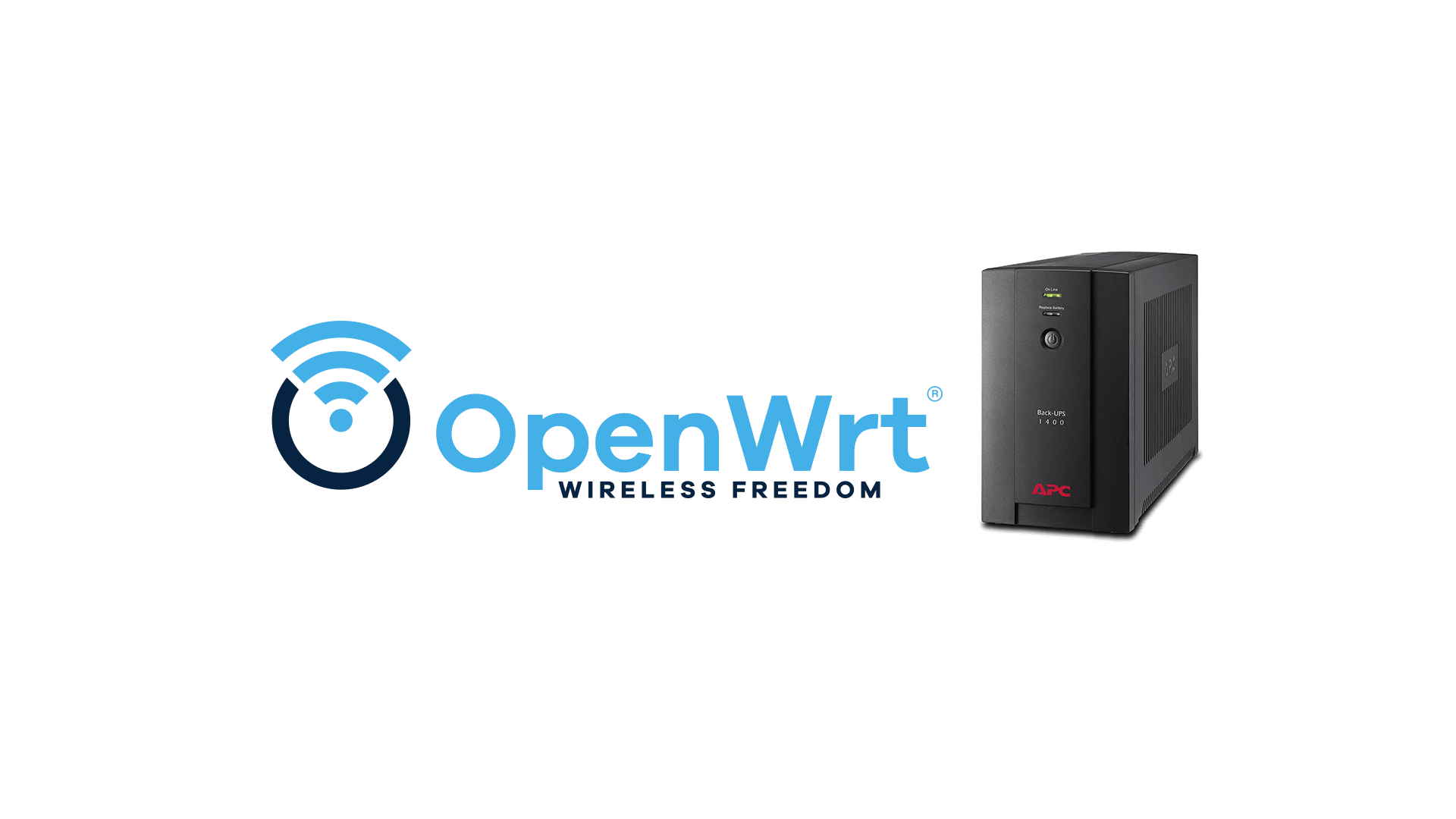
Recently I decided to connect an UPS (uninterruptible power supply) at work to one of the devices that runs 24 hours a day. The UPS that we currently have is the APC Back-UPS 1400 (Back-UPS XS 1400U), in addition to the ability to connect up to 6 devices, allows you to monitor the status of the device using the PowerChute software via USB port.
The problem is that this software is not compatible with the server we use, since it is available in a version for personal use (Personal Edition).
So I decided to use one free port (we use another one for additional internet connection using a 4G router) to connect a UPS to it to monitor its status (this device does not have a display apart from two diodes). If we can do something more, it would be even better, but it all depends on what can be achieved using OpenWrt.

In September 2018, I wrote a few words about Windows Defender, as my default antivirus for Windows 10. It’s been a few years since I’ve used it at work (as well as the rest of the people in the company). I recommend Microsoft’s default solution built into Windows 10/11 to anyone I help with their computer.
So I decided to check if Windows Defender is still a solution worth recommending. After all, it’s free, and you have to pay for all the others, so what’s the catch?

Half jokingly, half seriously. I recently discovered what was eating up my disk space on my work computer.

Sooner rather than later the time has come when another person asks me what to do when they are running out of space on Google Photos and therefore on Gmail.

I decided to move yet another website from WordPress to Hugo. This time the website has much more traffic than any other “of mines” (the ones that I am managing).
The main reason was speed (but also recent discussion about the environment and impact of technologies on it).
Continuing my previous post “Windows 11 on Unsupported Hardware - Day by Day it’s time for further considerations.
Overall, Windows 11 is not bad. Everything is going in the right direction, but it’s not yet time for a mass switch, and here’s why.
My site use cookies 🍪. Read more about it on: Cookies Policy.